Hormonal Acne: Why It’s Different and What Actually Works
SEO Title Tag (54 chars): Hormonal Acne: Why It’s Different and What Works
Meta Description (157 chars): Hormonal acne follows a distinct pattern and often resists topical treatment. Learn how to recognize it, what genuinely helps, and when to see a doctor.
Primary keyword: hormonal acne Secondary keywords: hormonal acne jawline, how to treat hormonal acne, hormonal acne vs regular acne, does spironolactone work for acne, pcos acne treatment Entities covered: hormonal acne, androgens, testosterone, dihydrotestosterone, sebaceous glands, sebum, polycystic ovary syndrome, menstrual cycle, luteal phase, progesterone, oestrogen, insulin resistance, spironolactone, combined oral contraceptive, isotretinoin, Cutibacterium acnes, comedone, nodule, cyst, post-inflammatory hyperpigmentation, azelaic acid, adapalene, benzoyl peroxide, niacinamide
A note before starting: hormonal acne frequently requires medical treatment rather than skincare, and this article covers prescription options that must be discussed with a doctor. It is informational, not a treatment plan. If your acne is persistent, painful, or affecting your wellbeing, seeing a dermatologist is the most useful step you can take — and it is worth doing sooner than most people do.
With that said: hormonal acne is one of the most frustrating skin concerns because it frequently does not respond to the approaches that work for other acne. People spend years cycling through cleansers, spot treatments, and routines while the underlying driver remains untouched.
This guide covers what makes it distinct, how to recognize it, what topical treatment can and cannot achieve, and what the medical options actually involve.
Key Takeaway
Hormonal acne originates from internal fluctuations, which is why topical treatments alone rarely cure it. Benzoyl peroxide and salicylic acid can manage the surface, but long-term solutions often require addressing the hormonal root cause.
All acne is hormonally influenced to some degree, which makes the term slightly imprecise. What people mean by hormonal acne is acne primarily driven by androgen activity and fluctuation, rather than by external factors.
The mechanism
Androgens — testosterone and its more potent derivative dihydrotestosterone — stimulate sebaceous glands to produce more sebum.
More sebum means more material available to combine with dead skin cells and block pores.
Blocked pores create an environment where Cutibacterium acnes proliferates, triggering inflammation.
The key point: if androgen activity is driving excess sebum production, topical treatments address the downstream consequences while the upstream cause continues. This is why hormonal acne so often resists an otherwise good skincare routine.
Why sensitivity matters more than levels
A common misunderstanding is that hormonal acne means abnormally high hormone levels.
Frequently it does not. Many people with hormonal acne have hormone levels within the normal range. What differs is how sensitive their sebaceous glands are to androgens — a receptor-level difference rather than a circulating-level one.
This is why blood tests often come back normal, which can be confusing and disheartening. Normal results do not mean the acne is not hormonally driven.
How to Recognize It
Several patterns distinguish hormonal acne from other types.
Location
Classic pattern: lower face — jawline, chin, along the mandible, and sometimes the neck.
This is not universal, but it is common enough to be diagnostically useful. Acne concentrated in the U-shape of the lower face, rather than across the forehead and nose, suggests hormonal involvement.
Timing
Cyclical flares — worsening in the week to ten days before menstruation, during the luteal phase when progesterone rises and oestrogen falls relative to androgens.
If you can predict your breakouts by your cycle, that is a strong indicator.
Lesion type
Deeper, more inflammatory lesions — nodules and cysts that sit beneath the skin, are tender or painful, and do not come to a head.
Fewer surface comedones. Hormonal acne tends toward inflammatory lesions rather than blackheads and whiteheads.
Age of onset or persistence
Adult-onset acne, particularly appearing or worsening in your twenties, thirties, or later.
Acne persisting well beyond adolescence, especially when it never fully cleared.
Acne appearing after stopping hormonal contraception — this is extremely common and frequently catches people off guard.
Resistance to topical treatment
A good routine that produces minimal change is itself informative. If you have used an appropriate topical regimen consistently for three to four months without meaningful improvement, the driver may be hormonal.
What Can Trigger or Worsen It
Menstrual cycle fluctuations — the most common pattern.
Starting or stopping hormonal contraception. Post-pill acne is well recognized and can take several months to settle, sometimes longer.
Polycystic ovary syndrome. PCOS involves elevated androgens and is a common underlying cause of persistent adult acne, particularly when accompanied by irregular cycles, unwanted hair growth, or difficulty with weight.
Perimenopause and menopause. As oestrogen declines, the relative androgen influence increases, which is why acne can appear in your forties and fifties.
Pregnancy and postpartum. Hormonal shifts in both directions can trigger flares.
Stress. Cortisol influences androgen activity, and stress-related flares are genuinely physiological rather than imagined.
Certain medications, including some progestin-only contraceptives, corticosteroids, and testosterone-containing therapies.
Insulin resistance. There is a relationship between insulin, insulin-like growth factor, and androgen activity — which is part of why PCOS and acne frequently occur together.
What to do
- Track your cycle: Notice when breakouts typically peak.
- Use targeted spot treatments: Benzoyl peroxide helps dry out painful cysts.
- Consult a dermatologist: Oral medications like Spironolactone can be game-changers.
What to avoid
- Over-exfoliating: Scrubbing won't fix hormonal cysts and will only damage your barrier.
- Popping deep cysts: This almost guarantees scarring and hyperpigmentation.
- Assuming topical products are a cure: Topicals manage symptoms, not the root cause.
This deserves prominence, because people routinely wait too long.
See a doctor or dermatologist if:
- Your acne is painful, cystic, or nodular
- It has persisted despite four months of appropriate topical treatment
- It is scarring, or you can see marks that are not fading
- It is affecting your confidence, mood, or daily life — this is a legitimate reason on its own
- You have irregular or absent periods alongside acne
- You have unwanted hair growth on the face, chest, or abdomen
- You have unexplained weight change, hair thinning on the scalp, or other hormonal symptoms
- Acne appeared suddenly and severely in adulthood
The last few points matter medically, not just cosmetically. The combination of acne, irregular cycles, and unwanted hair growth is a recognized pattern that warrants assessment for PCOS or other endocrine conditions.
A practical note on timing: scarring is far easier to prevent than to treat. Waiting years to seek treatment for cystic acne frequently means dealing with permanent textural scarring afterward. Seeing a dermatologist early is not an overreaction.
What Topical Treatment Can Do
Topicals have a genuine role, but expectations should be calibrated.
What they can achieve:
- Reduce surface congestion and comedones
- Calm inflammation
- Address post-inflammatory pigmentation
- Improve mild to moderate hormonal acne meaningfully
- Support and maintain results from medical treatment
What they generally cannot achieve:
- Reduce androgen-driven sebum production at its source
- Resolve moderate to severe cystic acne alone
- Prevent cyclical flares entirely
The topicals worth using
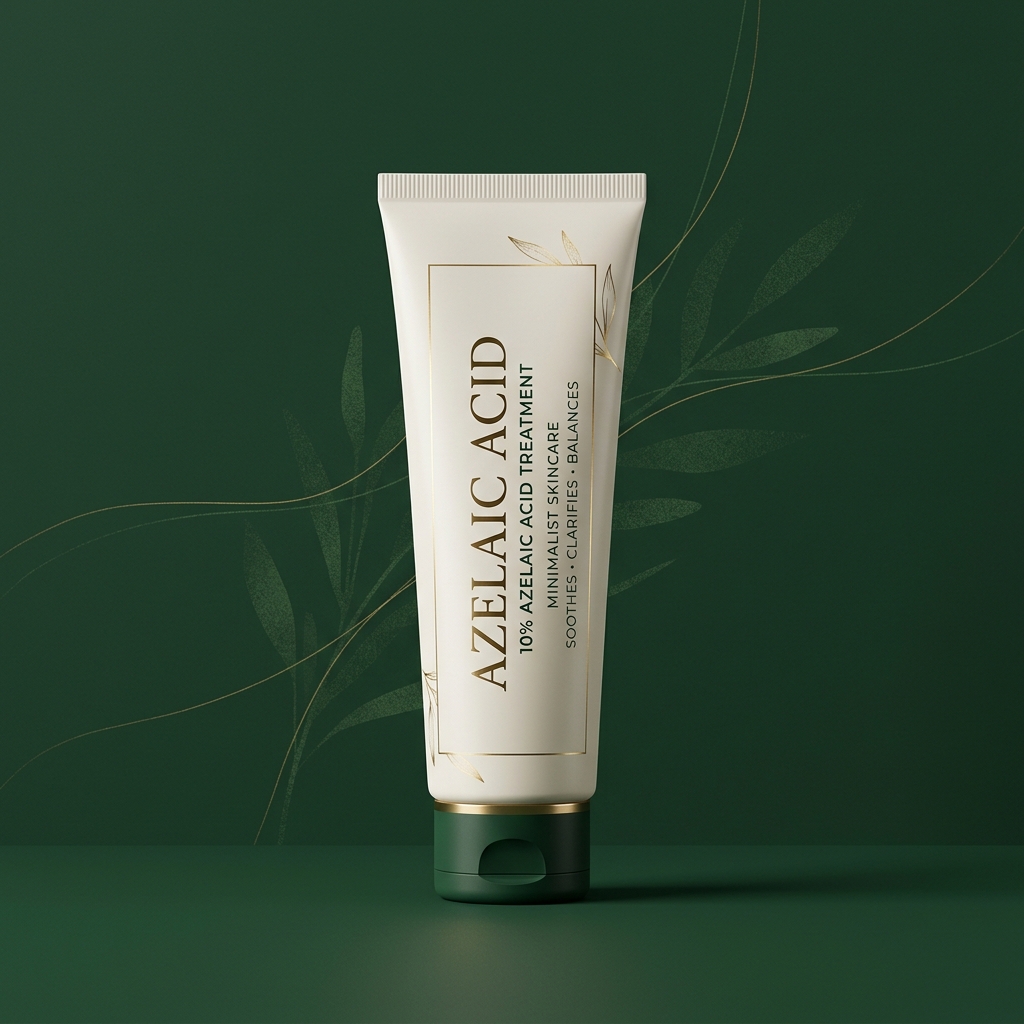
Azelaic acid — arguably the best fit for hormonal acne. It addresses inflammation, congestion, and post-inflammatory pigmentation simultaneously, and is gentle enough for daily long-term use.
Adapalene — a retinoid available over the counter in many markets, well studied for acne, and effective at normalizing keratinization.
Benzoyl peroxide — antibacterial and effective for inflammatory lesions. Can be drying; lower concentrations are often as effective as higher ones with less irritation.
Niacinamide — regulates sebum modestly, reduces inflammation, and supports the barrier while other actives work.
Salicylic acid — useful for congestion, less relevant for deep cystic lesions.
What to avoid
Over-cleansing and harsh products. Hormonal acne is not caused by insufficient cleansing, and stripping the barrier makes inflammation worse.
Picking or squeezing deep lesions. Cystic lesions have no surface opening. Attempting to extract them causes deeper inflammation, prolongs healing, and substantially increases scarring risk.
Stacking multiple strong actives. A compromised barrier worsens acne.
Frequent product switching. Acne treatment requires twelve weeks minimum before assessment.
These require a prescription and medical supervision. This section is for understanding what your doctor might discuss, not for self-directed treatment.
Spironolactone
An anti-androgen medication originally developed as a diuretic, used off-label for hormonal acne in many countries.
How it works: blocks androgen receptors in sebaceous glands, reducing sebum production at the source.
What the evidence shows: it is well established for adult hormonal acne in women, with substantial clinical support.
Considerations: requires medical supervision, is not suitable during pregnancy, may require monitoring in some patients, and typically takes three to six months for full effect. Not prescribed for men for this indication due to its anti-androgen effects.
Combined oral contraceptives
Certain combined pills are licensed for acne treatment in various markets.
How they work: increase sex hormone binding globulin, reducing free testosterone available to stimulate sebaceous glands.
Considerations: not all formulations help — some progestins can worsen acne. Contraindications include clotting risk factors, migraine with aura, and smoking over a certain age. This requires a proper consultation rather than a request for a specific brand.
Isotretinoin
An oral retinoid for severe, scarring, or treatment-resistant acne.
How it works: substantially reduces sebaceous gland size and sebum production.
What the evidence shows: highly effective, with many patients achieving long-term remission.
Considerations: significant medication requiring close monitoring. It is a known teratogen, so pregnancy prevention requirements are strict. Side effects require medical management. This is a specialist decision.
Topical prescriptions
Prescription-strength retinoids such as tretinoin, higher-concentration azelaic acid, and combination products are frequently effective and often tried before systemic options.
Metformin and PCOS management
Where insulin resistance and PCOS are involved, addressing the underlying condition can improve acne alongside other symptoms. This is managed by a doctor treating the condition rather than the skin.
The Diet Question
This comes up constantly and deserves an honest answer rather than a confident one in either direction.
What the evidence suggests:
High-glycaemic diets have some association with acne in research, plausibly through effects on insulin and insulin-like growth factor, which influence androgen activity.
Dairy, particularly skim milk, shows an association in several observational studies. The mechanism is not fully established, and association is not causation.
Whey protein supplements have been associated with acne flares in some case reports.
What the evidence does not support:
Chocolate, greasy food, and most single-food explanations — these are folk associations rather than established findings.
Dramatic elimination diets as an acne treatment. Restricting extensively without evidence of benefit carries its own costs.
A reasonable position: if you notice a consistent, reproducible pattern between a specific food and your skin, that observation is worth acting on for you. Broad dietary restriction as a primary acne treatment is not supported, and it should not delay effective medical treatment.
Building a Supportive Routine
Whatever medical treatment you pursue, a supportive routine helps.
Morning: Gentle cleanser → niacinamide → lightweight non-comedogenic moisturizer → sunscreen
Evening: Gentle cleanser → azelaic acid or adapalene → lightweight moisturizer
Notes:
- Introduce one active at a time, several weeks apart
- Do not skip moisturizer because your skin is oily
- Sunscreen matters particularly here, since post-inflammatory pigmentation darkens with UV exposure
- Give any regimen twelve weeks before assessing
During a cyclical flare: resist the urge to escalate. Adding aggressive treatments during a flare typically produces irritation on top of inflammation. Maintain your routine, spot-treat if helpful, and let the flare pass.
Managing the Marks Left Behind
Post-inflammatory hyperpigmentation frequently outlasts the acne itself, and it is often what bothers people most.
What helps:
- Sunscreen daily — the single largest factor in how quickly marks fade
- Azelaic acid — treats acne and pigmentation simultaneously
- Niacinamide — reduces melanin transfer
- Tranexamic acid — worth considering for stubborn marks
- Time — three to six months for marks to fade substantially
What does not help: aggressive exfoliation to “speed it up,” which causes further inflammation and consequently more pigmentation.
Textural scarring is different from pigmentation and does not fade. If you have indentations or raised areas, that requires procedural treatment — and is a strong argument for treating active acne promptly.
Tracking Your Pattern
Because hormonal acne is cyclical, tracking turns a confusing situation into useful information — both for you and for a doctor.
What to record:
- Where breakouts appear, noting whether the location is consistent
- When they appear relative to your cycle, if you have one
- What type of lesion — surface spots, deep tender nodules, or a mix
- Cycle regularity, including length and any irregularity
- Products started or changed, with dates
- Any other symptoms — hair changes, weight changes, energy levels
Why this matters practically: a doctor’s appointment is short. Arriving with three months of documented pattern is considerably more useful than describing it from memory, and it frequently accelerates getting to the right treatment.
Photograph monthly in the same lighting. Acne perception is heavily influenced by mood and lighting, and photographs prevent both discouragement during a flare and false confidence during a good week.
A note on tracking apps: any method works — a notes app, a paper diary, a calendar. The consistency matters more than the tool.
Lifestyle Factors Worth Considering
None of these replace treatment, but several have reasonable supporting evidence.
Sleep. Poor sleep raises cortisol, which influences androgen activity. This is a genuine physiological pathway rather than a vague wellness claim.
Stress management. The stress-acne connection is real and mediated hormonally. Whatever form of stress reduction is sustainable for you is worth prioritizing — not because it will clear acne alone, but because it removes one contributing factor.
Exercise. Generally beneficial, including for insulin sensitivity, which is relevant where PCOS or insulin resistance are involved. Shower promptly afterward and avoid leaving sweat on the skin under tight clothing.
Pillowcases and phone screens. Regular washing reduces bacterial transfer. This is a minor factor rather than a solution, but it costs nothing.
Hair products. Pomades, oils, and heavy conditioners migrating onto the face and jawline can contribute to congestion in exactly the area hormonal acne affects — which makes it easy to misattribute.
Touching your face. A difficult habit to break, but relevant.
What not to do: treat lifestyle adjustment as an alternative to medical treatment for moderate or severe acne. These are supporting factors, not substitutes, and delaying effective treatment while trying to fix acne through sleep and diet alone is how preventable scarring happens.
Making Your Doctor’s Appointment Count
Since medical treatment is often the answer, a short note on getting the most from a limited consultation.
Bring your tracking. Three months of documented pattern — locations, timing, lesion types, cycle regularity — is far more useful than describing it from memory.
List what you have already tried, with concentrations and how long you used each. “I tried a few things” wastes time; “adapalene 0.1% nightly for four months, benzoyl peroxide 5% before that” allows a doctor to skip what has already failed.
Mention other symptoms, even if they seem unrelated — cycle irregularity, hair changes, weight changes, fatigue. These are what distinguish straightforward acne from a hormonal condition worth investigating.
Say how it is affecting you. Acne severity on examination does not always match the impact on someone’s life. If it is affecting your confidence, work, or mood, say so directly — this is legitimate clinical information, not complaining.
Ask about scarring risk. If you are getting deep, painful lesions, ask specifically whether earlier or more aggressive treatment is warranted to prevent scarring. This reframes the conversation usefully.
Ask what to expect and when. Knowing that spironolactone takes three to six months prevents abandoning it at week eight.
If you leave without a plan you understand, it is reasonable to ask for clarification or to seek a second opinion. Persistent acne is a treatable medical condition, and being dismissed is not an acceptable outcome.
Frequently Asked Questions
What does hormonal acne look like? Typically deeper, tender, inflammatory lesions concentrated on the jawline, chin, and lower cheeks, often flaring cyclically before menstruation. Fewer surface blackheads than other acne types.
Can skincare alone fix hormonal acne? For mild cases, often yes. For moderate to severe hormonal acne — particularly cystic lesions — topicals typically provide partial improvement while the underlying androgen driver continues. Medical treatment is frequently needed.
Does hormonal acne go away on its own? Sometimes, particularly if triggered by a temporary change such as stopping contraception. Persistent hormonal acne driven by ongoing androgen sensitivity or PCOS generally does not resolve without treatment.
Do I need blood tests? Not always. Many people with hormonal acne have normal hormone levels, since the issue is often receptor sensitivity rather than circulating levels. Testing is more relevant if you have irregular cycles, unwanted hair growth, or other symptoms suggesting an underlying condition.
Is spironolactone safe? It is widely used for hormonal acne with a well-characterized profile, but it requires medical supervision, is not suitable during pregnancy, and is not appropriate for everyone. This is a conversation for your doctor.
Will birth control clear my acne? Certain combined pills are licensed for acne and can help significantly. Others, particularly some progestin-only options, can worsen it. Formulation matters, which is why this needs a proper consultation.
Why did my acne start after stopping the pill? Hormonal contraception suppresses androgen activity. Stopping removes that suppression, and acne can appear or return. This frequently settles within six to twelve months, though not always.
Does dairy cause hormonal acne? Some observational research associates dairy, particularly skim milk, with acne. The evidence is suggestive rather than conclusive. If you notice a consistent personal pattern, that is worth acting on; broad elimination is not established as a treatment.
Can men get hormonal acne? Yes, though the presentation and treatment differ. Spironolactone is not used in men for this indication. Adult acne in men warrants dermatological assessment.
How long does treatment take to work? Topicals require twelve weeks minimum. Spironolactone typically takes three to six months for full effect. Isotretinoin courses generally run several months. Patience is genuinely necessary.
The Bottom Line
Hormonal acne is distinct because the driver sits upstream of where topical products act. That is why an otherwise excellent routine can produce disappointingly little change.
Recognizing it:
- Lower face distribution — jawline, chin, neck
- Cyclical flares before menstruation
- Deep, tender lesions rather than surface comedones
- Adult onset or persistence
- Poor response to appropriate topical treatment
What helps:
- Topicals — azelaic acid, adapalene, benzoyl peroxide, niacinamide — for mild to moderate cases and as ongoing support
- Medical treatment — spironolactone, certain combined contraceptives, or isotretinoin for moderate to severe cases
- Addressing underlying conditions such as PCOS where present
- Sunscreen and patience for the marks left behind
The most important practical point: if you have been treating persistent adult acne with skincare for more than three or four months without meaningful improvement, that is not a sign you need a better cleanser. It is a sign the problem may sit somewhere skincare cannot reach.
Seeing a dermatologist earlier rather than later is the single most useful thing most people with hormonal acne can do — both because effective treatment exists, and because scarring is far easier to prevent than to fix.
Related reading:
- Azelaic Acid: The Underrated Multi-Tasker Most Routines Are Missing
- Purging vs. Breaking Out: How to Tell the Difference
- Is Retinol Safe During Pregnancy? What to Use Instead
- Does Double Cleansing Actually Matter for Oily Skin?
- Tranexamic Acid for Melasma: Does It Actually Work?
This article is for informational purposes only and does not constitute medical advice. Prescription treatments including spironolactone, hormonal contraception, and isotretinoin carry risks and contraindications and must only be taken under medical supervision. If you have persistent, painful, or scarring acne, or symptoms suggesting a hormonal condition, consult a doctor or board-certified dermatologist.\n\n
Was this article helpful?

Anam Ahsan
Founder & Editor-in-ChiefI started Glam Rock Web because I was tired of beauty content that read like advertising. Everything published here is researched, tested where possible, and written to be useful — not to sell you something.



Comments (24)
Hannah W.
2 days agoThis guide saved me so much money — went with the budget pick and honestly can't tell the difference from serums twice the price!
Anam Ahsan Author
1 day agoSo glad it worked out for you, Hannah! That's exactly the kind of result we hoped readers would see.