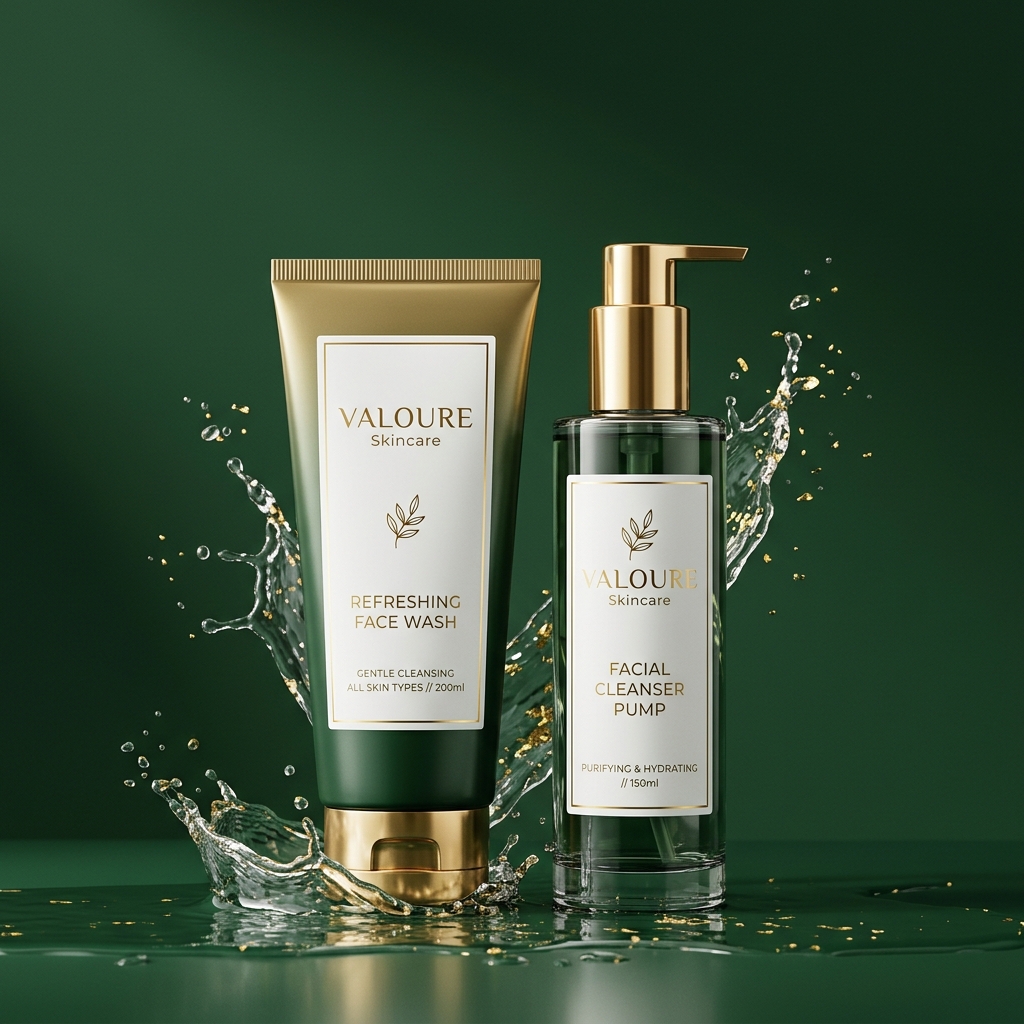
Double cleansing arrived in Western skincare through K-beauty routines and quickly became standard advice. The logic sounds compelling, particularly for oily skin: if your skin produces more oil, surely it needs more thorough cleansing.
That logic is largely backwards.
Double cleansing is genuinely useful — but for reasons that have little to do with how oily your skin is. And for many people with oily skin, aggressive cleansing is a contributing cause of the oiliness they are trying to manage.
This guide covers what double cleansing actually accomplishes, when it is worth doing, when it works against you, and how to tell which situation applies to your skin.
Key Takeaway
Double cleansing is about removing sunscreen and makeup thoroughly — not about treating oiliness. More cleansing usually makes oily skin produce more oil, not less.
What Double Cleansing Actually Is
Double cleansing means using two cleansers in sequence:
First cleanse: an oil, balm, or micellar formulation that dissolves oil-soluble substances — makeup, sunscreen, sebum, and pollution particles bound in oil.
Second cleanse: a water-based cleanser that removes what remains, including sweat, water-soluble debris, and residue from the first cleanse.
The chemistry behind it
The rationale rests on a basic principle: like dissolves like.
Water-based cleansers use surfactants — molecules with a water-loving end and an oil-loving end. They form structures called micelles that surround oil droplets and allow water to rinse them away.
This works well for moderate amounts of oil. It works considerably less well for heavy, water-resistant products.
Modern sunscreens are specifically the problem. Many UV filters are formulated to resist water and sweat — that is the entire point. Silicone-based and water-resistant formulations are designed not to come off easily, and a gentle water-based cleanser frequently does not fully remove them.
This is the strongest genuine argument for double cleansing, and it applies regardless of your skin type.
What to do
- Use an oil cleanser first: Emulsifies sunscreen and makeup that water cleansers can't fully remove.
- Follow with a water-based cleanser: Removes residue and cleanses the skin itself.
- Be gentle: One pass with each cleanser is enough — no need to repeat.
What to avoid
- Over-cleansing: Stripping skin leads to more oil production, not less.
- Harsh surfactants: Avoid SLS-heavy formulas that destroy the acid mantle.
- Cleansing in the morning: If you're not wearing SPF overnight, a water rinse is enough.
The Oily Skin Misconception
The reasoning that oily skin needs more cleansing is intuitive and mostly wrong.
How sebum production actually works
Sebum output is regulated primarily by androgens and genetics. It is not a direct response to how much oil is present on your skin’s surface at any moment.
Stripping the surface does not signal your sebaceous glands to slow down. What it does do is compromise the barrier — and a compromised barrier loses water faster, which can trigger the skin to produce more oil in an attempt to compensate.
This pattern is sometimes described as reactive seborrhoea. Whether the compensatory increase is dramatic is debated, but the barrier damage is not.
The over-cleansing cycle
The sequence is familiar to a lot of people with oily skin:
- Skin feels oily, so you cleanse more aggressively
- Barrier is compromised; water loss increases
- Skin becomes dehydrated while still producing oil
- Surface feels both tight and greasy — a confusing combination
- You interpret the greasiness as insufficient cleansing
- You cleanse harder still
The signature of this pattern is skin that is oily and simultaneously tight, flaky, or sensitive. If that describes your skin, cleansing more is not the answer.
What oily skin genuinely needs
Adequate cleansing, not aggressive cleansing. Removing sunscreen, makeup, and daily debris — nothing more.
Hydration. Oily skin can be dehydrated. Oil and water content are different things.
Barrier support. A functioning barrier regulates water loss, which is one of the factors influencing oil production.
Targeted actives — salicylic acid, niacinamide, retinoids — which address congestion at the cause rather than repeatedly stripping the surface.
When Double Cleansing Genuinely Helps
Setting aside skin type, these are the situations where it earns its place.
You wear sunscreen daily
The clearest case. Water-resistant filters are difficult for gentle water-based cleansers to remove fully, and residue left overnight contributes to congestion.
If you use sunscreen every day — which you should — a first cleanse most evenings is reasonable.
You wear makeup, particularly long-wear formulas
Long-wear foundation, waterproof mascara, and transfer-resistant products are engineered to resist water. An oil or balm cleanser dissolves them far more effectively.
You live in a polluted environment
Particulate matter binds to sebum on the skin surface. An oil-based first cleanse removes this more thoroughly than water alone.
You have persistent congestion despite a good routine
If you use appropriate actives and still see closed comedones concentrated where you apply sunscreen or makeup, incomplete removal may be contributing.
You exercise heavily or work in oily environments
Heavy sweat mixed with sebum, or occupational exposure to oils and grease, may warrant a more thorough first cleanse.
When Double Cleansing Is Unnecessary or Harmful
You wear no sunscreen or makeup
If your skin has been exposed only to its own sebum and ordinary environmental debris, a single gentle cleanse is entirely adequate.
You are already showing signs of over-cleansing
Tightness after washing, increased sensitivity, flaking alongside oiliness, or products that suddenly sting — all suggest reducing rather than adding cleansing steps.
You are doing it every morning
Double cleansing is an evening practice. Overnight, your skin has produced sebum and nothing else. A morning double cleanse strips the barrier for no reason.
Many people with oily skin do best with a water rinse or a very gentle cleanse in the morning.
Your second cleanser is harsh
An oil cleanse followed by a stripping foaming cleanser with high-concentration sulfates is more damaging than a single gentle wash. The second cleanse should be mild.
You have a compromised barrier
If your skin is currently reactive, simplify. Barrier repair comes before optimizing your cleansing routine.
How to Double Cleanse Correctly
If it applies to your situation, technique matters.
Step 1: The first cleanse
Apply to dry skin. This is the step most often done incorrectly. Oil cleansers work by dissolving oil-soluble material — applying them to wet skin dilutes them and reduces effectiveness.
Massage for 30-60 seconds. Give the product time to break down sunscreen and makeup. Focus on areas where you applied the most product.
Emulsify before rinsing. Add a small amount of water and continue massaging until the oil turns milky. This is the surfactants in the formula binding the oil so it rinses cleanly rather than leaving residue.
Rinse thoroughly with lukewarm water.
Step 2: The second cleanse
Use a gentle, low-foaming cleanser. This step removes residue, not deep grime. It does not need to be strong.
Massage briefly — 20 to 30 seconds is sufficient.
Rinse and pat dry rather than rubbing.
The test for whether it is working
Your skin should feel comfortable afterward, not tight.
Tightness means you have removed barrier lipids along with the debris. That sensation is not cleanliness — it is the beginning of the over-cleansing cycle described above.
Choosing Cleansers for Oily Skin
First cleanse options
Cleansing oils — lightweight and effective. Look for formulations with emulsifiers so they rinse cleanly. Despite the intuition, oil cleansers do not make oily skin oilier when properly emulsified and rinsed.
Cleansing balms — solid, melting on contact. Effective for heavy makeup but can feel richer than oily skin prefers.
Micellar water — the gentlest option. Adequate for light sunscreen and minimal makeup, less effective for water-resistant formulations. Follow with a rinse rather than leaving it on.
Cleansing gels that emulsify — hybrid products that dissolve oil-soluble material while feeling lighter than traditional oils. Often the best fit for oily skin.
Second cleanse options
Gentle gel cleansers with mild surfactants — cocamidopropyl betaine, coco-glucoside, or similar.
Low-foaming cream or gel formulations that clean without stripping.
What to avoid: high concentrations of sodium lauryl sulfate, cleansers with denatured alcohol, and anything that leaves skin squeaky.
On salicylic acid cleansers: these are popular for oily skin but have limited contact time. Salicylic acid works better in a leave-on product. A salicylic cleanser is not harmful, but do not expect it to replace a leave-on treatment.
Signs You Are Over-Cleansing
- Skin feels tight immediately after washing
- Products that previously felt fine now sting
- Increased redness or sensitivity
- Flaking alongside oiliness
- Skin looks shiny in a waxy rather than healthy way
- More breakouts, particularly small bumps
- Oiliness has increased rather than decreased
If several apply: reduce to one gentle evening cleanse and a morning water rinse for two weeks, and focus on a lightweight moisturizer. Most people see improvement within that window.
A Realistic Routine for Oily Skin
Morning: Water rinse or very gentle cleanser → lightweight hydrating serum → gel moisturizer → sunscreen
Evening (with sunscreen or makeup): First cleanse → gentle second cleanse → treatment active → gel moisturizer
Evening (no sunscreen or makeup): Single gentle cleanse → treatment active → gel moisturizer
Note what is absent: no aggressive scrubbing, no cleansing device, no stripping foam, no cleansing more than twice daily.
Common Cleansing Myths Worth Correcting
“Squeaky clean means properly cleansed.” That sensation comes from removing barrier lipids alongside debris. Well-cleansed skin feels comfortable and soft, not tight or squeaky. This single misconception drives a large proportion of over-cleansing.
“Oily skin should avoid oil cleansers.” Properly emulsified oil cleansers rinse away completely. The oil dissolves sebum and product residue rather than depositing on the skin. Many people with oily skin find oil cleansing works better than foaming cleansers.
“Hot water opens pores for better cleansing.” Pores do not open and close — they have no muscular mechanism. Hot water strips barrier lipids and can increase redness. Lukewarm is the correct temperature.
“Cleansing brushes clean more deeply.” They increase mechanical friction, which for most people means irritation rather than better cleansing. Fingertips are sufficient.
“You need to cleanse until the makeup wipe comes away clean.” Wipes drag and irritate, and residual pigment on a wipe is not a reliable measure of anything. Rinse-off cleansing is more effective and gentler.
“A stronger cleanser is better for acne.” Acne is not caused by insufficient washing. Stripping cleansers compromise the barrier, which frequently worsens inflammation and congestion.
“Cleansing more often reduces oil.” Sebum production is driven by hormones and genetics, not by surface oil levels. Excessive cleansing damages the barrier without reducing sebum output.
How This Differs by Skin Type
Double cleansing advice is usually delivered as universal. It is not.
Oily skin: benefits when sunscreen or makeup is worn, but is also the type most likely to over-cleanse. Use lightweight emulsifying cleansers and keep the second cleanse gentle.
Dry skin: should be more cautious. Two cleanses can strip already-limited lipids. A single cream or oil cleanse is often sufficient, even with sunscreen — oil-based cleansers remove UV filters effectively on their own.
Combination skin: consider cleansing the T-zone more thoroughly and treating drier areas gently. Zone-specific cleansing is underused and genuinely practical.
Sensitive skin: both steps must be mild, fragrance-free, and non-foaming. If in doubt, one gentle cleanse is safer than two.
Acne-prone skin: thorough removal of pore-clogging products helps, but the second cleanse should never be harsh. Leave-on actives do the actual treating.
Mature skin: barrier function tends to decline with age, and skin becomes less tolerant of stripping. Gentler cleansing with richer formulations generally serves better.
A Two-Week Experiment Worth Running
If you have oily skin and have been cleansing aggressively without improvement, this is worth testing before buying anything new. It costs nothing and produces genuinely useful information.
The protocol
Week 1 and 2, mornings: rinse with lukewarm water only. No cleanser at all. If that feels uncomfortable, use the gentlest cleanser you own, briefly.
Week 1 and 2, evenings: one gentle cleanse if you wore no sunscreen or makeup. If you did, a first cleanse with an emulsifying oil or gel followed by a mild second cleanse.
Throughout: lightweight gel moisturizer twice daily. Sunscreen every morning. Keep any existing treatment actives, but do not add anything new.
What to stop: scrubs, cleansing brushes, foaming cleansers with strong sulfates, astringent toners, and cleansing more than twice a day.
What to track
Take a photo on day one in natural light, then again on day fourteen under the same conditions. Also note each evening:
- Does your skin feel tight after cleansing?
- How oily does it feel by midday, on a rough scale of one to five?
- Any new breakouts, and where?
How to interpret the results
Oiliness decreased or stayed the same, and tightness resolved: you were over-cleansing. Continue with the gentler routine.
Oiliness increased noticeably: unlikely, but if it happens, your original routine may have been appropriate. Reintroduce a slightly more thorough evening cleanse rather than reverting entirely.
No change at all: cleansing was not your variable. The more productive next step is a leave-on active — salicylic acid or niacinamide — rather than further cleansing adjustments.
Congestion improved: incomplete product removal was likely contributing. Keep the first cleanse on days you wear sunscreen or makeup.
Two weeks is enough to see a directional change in oiliness and comfort, though congestion takes longer to fully resolve. The value of this experiment is that it isolates one variable — which is otherwise very difficult to do when you are changing several products at once.
The Practical Considerations Nobody Mentions
Beyond whether double cleansing works, there are practical factors worth weighing before committing to it as a permanent habit.
Time. A proper double cleanse takes two to three minutes rather than thirty seconds. That sounds trivial, but it is the difference between a routine you maintain and one you skip when tired. If adding a step means you sometimes go to bed without cleansing at all, the net effect is negative.
Cost. You are buying two products instead of one, and cleansing oils and balms are frequently priced higher than water-based cleansers. For most people this is manageable, but it is worth noting that this is one of the easier places to overspend for limited return — particularly given how briefly a cleanser contacts your skin.
Water use and convenience. Two rinses take more water and more time at the sink. In shared bathrooms or rushed mornings, this genuinely affects adherence.
Travel. Two cleansers means more to carry. Many people who double cleanse at home reasonably simplify when travelling, which is fine.
The simpler alternative worth knowing: a single well-chosen cleansing gel that emulsifies can remove sunscreen and light makeup adequately in one step. These hybrid formulations have improved considerably and remove the need for a two-product routine for many people who wear sunscreen but not heavy makeup.
If double cleansing suits your circumstances, it is a reasonable practice. If it feels like an obligation you resent, a single effective cleanser used consistently is the better choice.
Frequently Asked Questions
Do I need to double cleanse if I have oily skin? Not because your skin is oily. Double cleanse if you wear sunscreen, makeup, or spend time in polluted environments. Oily skin itself is not the deciding factor.
Will oil cleansing make my oily skin worse? No, when the cleanser emulsifies and rinses properly. Oil cleansers dissolve sebum and oil-soluble products rather than adding oil to your skin.
Should I double cleanse in the morning? No. Overnight your skin has produced only its own sebum. A water rinse or a single gentle cleanse is sufficient.
Can I use micellar water as my first cleanse? Yes for light sunscreen and minimal makeup. It is less effective for water-resistant formulations. Rinse afterward rather than leaving residue.
How do I know if my sunscreen is fully removed? Skin should feel clean and comfortable without residue or slipperiness. If your evening treatment products pill or absorb poorly, incomplete removal may be a factor.
Is double cleansing bad for sensitive skin? Not inherently, but both cleansers must be gentle. If your barrier is compromised, simplify to one mild cleanse until it recovers.
What if I only wear sunscreen, no makeup? Most sunscreens still benefit from an oil-based or emulsifying first cleanse, since UV filters are designed to be water-resistant. A gentle cleansing gel that emulsifies is often sufficient.
Does double cleansing help with acne? It can help indirectly by ensuring pore-clogging products are fully removed. It does not treat acne itself — that requires leave-on actives like salicylic acid, benzoyl peroxide, or a retinoid.
How long should each cleanse take? Roughly 30-60 seconds for the first cleanse and 20-30 seconds for the second. Longer does not clean better and increases barrier disruption.
The Bottom Line
Double cleansing is a useful technique that has been over-prescribed, particularly to people with oily skin who are frequently already cleansing too much.
The deciding question is not your skin type. It is what is on your skin.
Double cleanse if: you wear sunscreen daily, use makeup — particularly long-wear formulas — live somewhere polluted, or have persistent congestion where you apply products.
Do not double cleanse if: you wear no sunscreen or makeup, are showing signs of over-cleansing, or are doing it in the morning.
And the test that matters most: your skin should feel comfortable after cleansing, never tight. If it feels tight, you are removing more than you should — regardless of how many cleansers you used or how oily your skin is.
For oily skin specifically, the counterintuitive truth is that gentler cleansing paired with proper hydration frequently produces less oiliness than aggressive cleansing does. It is worth testing for two weeks before assuming you need to wash harder.
This article is for informational purposes only and does not constitute medical advice. If you have persistent acne, irritation, or a diagnosed skin condition, consult a board-certified dermatologist.
This article is for informational purposes only and does not constitute medical advice. If you have persistent acne, irritation, or a diagnosed skin condition, consult a board-certified dermatologist.
Was this article helpful?

Anam Ahsan
Founder & Editor-in-ChiefI started Glam Rock Web because I was tired of beauty content that read like advertising. Everything published here is researched, tested where possible, and written to be useful — not to sell you something.



Comments (24)
Hannah W.
2 days agoThis guide saved me so much money — went with the budget pick and honestly can't tell the difference from serums twice the price!
Anam Ahsan Author
1 day agoSo glad it worked out for you, Hannah! That's exactly the kind of result we hoped readers would see.