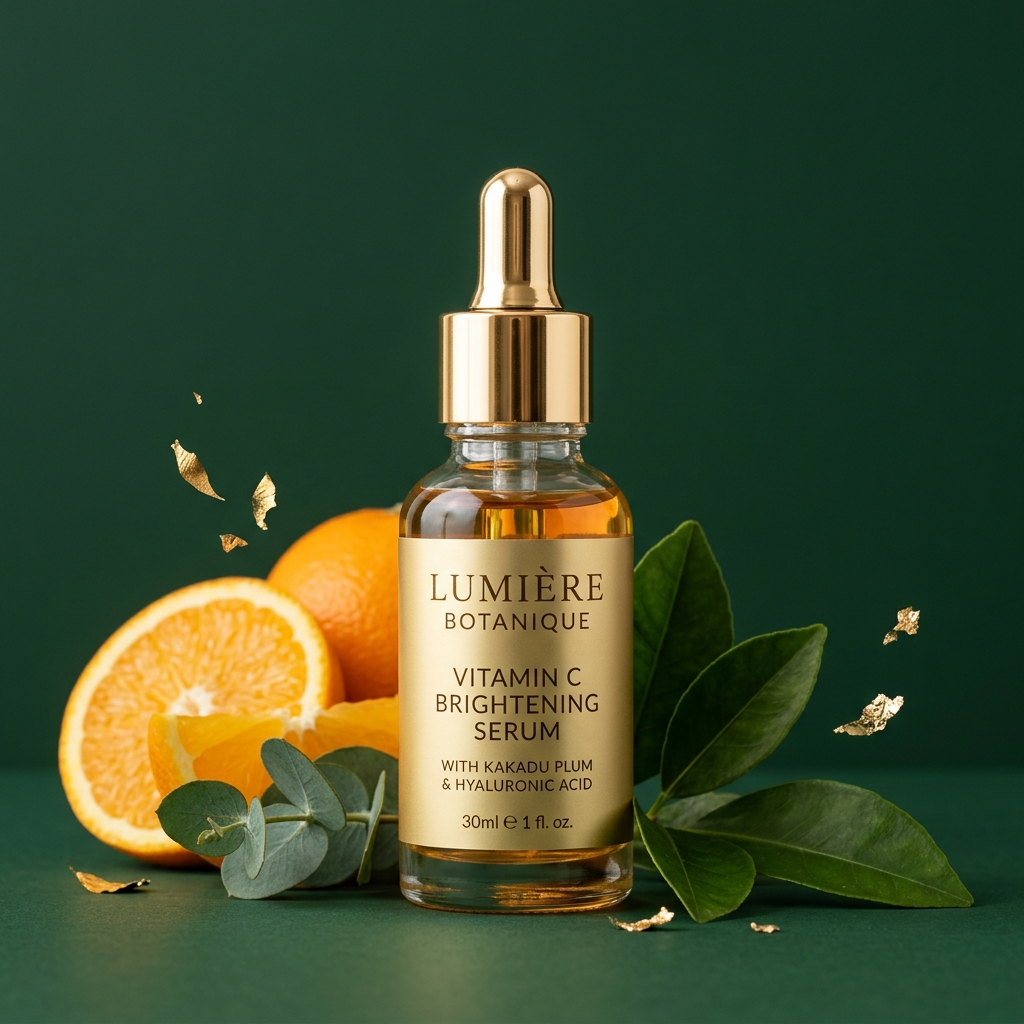
Vitamin C serum is one of the most recommended products in modern skincare. Dermatologists cite it, beauty editors rank it, and it appears in routines at every price point from drugstore to luxury. But with that much hype attached to a single ingredient, a fair question deserves a direct answer: does vitamin C serum really work?
The short answer is yes — vitamin C is one of the few skincare ingredients with genuinely substantial peer-reviewed research behind it. But the longer, more useful answer is that whether your serum works depends heavily on its form, concentration, formulation, packaging, and how you use it. A poorly formulated vitamin C serum can be almost entirely ineffective, and many products on the market fall into exactly that category.
This guide breaks down what the dermatological research actually shows, how to identify a formula that will work, and the common mistakes that quietly undermine results.
What Is Vitamin C and Why Is It Used in Skincare?
Vitamin C, known chemically as ascorbic acid, is a water-soluble antioxidant that the human body cannot produce on its own. In skin specifically, it plays several documented biological roles that explain why it has become a cornerstone ingredient in dermatology.
Antioxidant Protection
Skin is exposed daily to free radicals generated by UV radiation, pollution, and general oxidative stress. These unstable molecules damage cellular structures, degrade collagen, and contribute to premature skin aging. Vitamin C acts as an electron donor, neutralizing free radicals before they can cause that damage.
Collagen Synthesis Support
Vitamin C functions as an essential cofactor for the enzymes prolyl hydroxylase and lysyl hydroxylase, which stabilize and cross-link collagen molecules. In practical terms, this means the skin cannot produce structurally sound collagen without adequate vitamin C. This is why vitamin C deficiency historically manifested as scurvy, with poor wound healing and skin fragility among its earliest symptoms.
Melanin Regulation and Brightening
Vitamin C inhibits tyrosinase, the enzyme that catalyzes the first step in melanin production. By slowing this process, vitamin C helps reduce the formation of new pigmentation and gradually fades existing dark spots. This is the mechanism behind vitamin C’s reputation as a brightening ingredient — and it is well-supported in the dermatological literature.
Photoprotective Support
Vitamin C is not a sunscreen and cannot replace one. However, research consistently shows that topical vitamin C reduces UV-induced oxidative damage when used alongside SPF. The combination of an antioxidant serum in the morning followed by broad-spectrum sunscreen offers more comprehensive protection than sunscreen alone.
The Critical Detail Most People Miss: Not All Vitamin C Is the Same
This is where most consumer confusion begins. A product label saying “vitamin C” tells you almost nothing about whether it will actually work.
L-Ascorbic Acid
L-ascorbic acid is the pure, biologically active form of vitamin C — the form your skin can use immediately without conversion. It has the strongest body of research behind it and is the benchmark against which other forms are measured.
Its weakness is stability. L-ascorbic acid degrades rapidly when exposed to light, air, heat, or an incorrect pH. Research indicates it requires a pH below approximately 3.5 to penetrate the skin effectively, which also makes it more likely to cause irritation in sensitive skin types.
Vitamin C Derivatives
To solve the stability problem, formulators developed more stable derivatives:
- Sodium ascorbyl phosphate (SAP) — stable, gentle, and often used in formulas aimed at sensitive or acne-prone skin.
- Magnesium ascorbyl phosphate (MAP) — stable and hydrating, generally well-tolerated.
- Ascorbyl glucoside — very stable, mild, and commonly used in Asian skincare formulations.
- Tetrahexyldecyl ascorbate (THD ascorbate) — oil-soluble, highly stable, and able to penetrate the skin barrier well.
The trade-off is that derivatives must convert to L-ascorbic acid within the skin before becoming active, and conversion rates vary. In general, derivatives are gentler but slower-acting than well-formulated L-ascorbic acid.
The Practical Takeaway
If you have resilient skin and want the most researched option, look for L-ascorbic acid. If your skin is sensitive, reactive, or new to actives, a derivative is a smarter starting point.
What Concentration of Vitamin C Actually Works?
This is one of the most common questions readers have, and the answer is more nuanced than “higher is better.”
Why Concentration Matters
Research on topical L-ascorbic acid generally indicates that absorption increases with concentration up to around 20%, after which it plateaus. Beyond that point, higher percentages do not deliver proportionally better results, but they do increase the likelihood of irritation, stinging, and redness.
Practical concentration guide:
| Concentration | Best suited for | Notes |
|---|---|---|
| 5-8% | Sensitive skin, beginners | Gentle introduction; slower visible results |
| 10-15% | Most skin types | Widely considered the efficacy sweet spot |
| 15-20% | Resilient, experienced skin | Higher irritation risk; not always more effective |
| Above 20% | Rarely recommended | No proven added benefit; increased irritation |
For most people starting out, a 10-15% formula offers the strongest balance of proven efficacy and tolerability.
Why Ferulic Acid and Vitamin E Appear in the Best Formulas
If you have compared vitamin C serums, you have likely noticed that many premium formulas pair ascorbic acid with ferulic acid and tocopherol (vitamin E). This is not marketing decoration — it reflects one of the more influential findings in antioxidant skincare research.
Studies conducted at Duke University found that combining L-ascorbic acid with vitamin E and ferulic acid significantly improved the stability of the formulation and enhanced its photoprotective capacity beyond what vitamin C achieved alone. Ferulic acid in particular helps stabilize the notoriously fragile ascorbic acid molecule, extending its useful life in the bottle.
When evaluating a serum, the presence of this combination is a reasonable signal that the formulator understood the chemistry involved.
Packaging Matters More Than Most People Realize
This is one of the most overlooked factors in whether a vitamin C serum works.
L-ascorbic acid oxidizes on contact with air and light. Once oxidized, it converts to dehydroascorbic acid and loses much of its biological activity. A serum in a clear glass dropper bottle sitting on a bright bathroom counter can lose meaningful potency well before the bottle is finished.
What to look for:
- Opaque, amber, or dark-tinted glass
- Airless pump packaging rather than open-mouth droppers
- Small bottle sizes, which are used up before significant degradation occurs
The Visual Test
A fresh L-ascorbic acid serum is typically clear to pale yellow. If yours has turned dark yellow, orange, or brown, it has oxidized. It is unlikely to cause harm, but it is no longer delivering the benefits you paid for.
What Vitamin C Serum Can and Cannot Do
Managing expectations is one of the main reasons people either succeed with vitamin C or abandon it prematurely.
PROS (What it supports)
- Fades hyperpigmentation & dark spots
- Improves overall skin brightness
- Supports collagen production
- Reduces UV oxidative damage
CONS (What it won't do)
- Treat active acne breakouts
- Replace your sunscreen
- Deliver overnight results
- Resolve deep melasma
How to Use Vitamin C Serum Correctly
Step-by-step application
- Cleanse with a gentle, non-stripping cleanser and pat skin dry.
- Apply vitamin C serum to dry skin — a few drops is sufficient for the entire face.
- Wait 60 seconds to allow absorption before layering.
- Follow with moisturizer to support the skin barrier.
- Finish with broad-spectrum SPF 30 or higher every single morning.
Morning or night?
Morning application is generally recommended. Vitamin C’s antioxidant activity provides the most benefit during the day, when your skin faces UV exposure and environmental stressors. Evening routines are typically better reserved for repair-focused ingredients like retinoids.
Introducing it gradually
If you have sensitive skin or are new to active ingredients, start with application every other day for two weeks before moving to daily use. Applying a light moisturizer before the serum can also buffer the initial contact and reduce stinging.
Layering Vitamin C With Other Active Ingredients
Vitamin C + sunscreen — the single most effective pairing. Vitamin C in the morning, SPF over it, every day.
Vitamin C + niacinamide — an older claim held that these ingredients neutralize each other. This idea stems from decades-old research conducted under high-heat conditions that do not reflect modern stabilized formulations. Current understanding is that they can be used together safely, and many formulations now include both.
Vitamin C + retinol — best separated by time of day. Vitamin C in the morning, retinol at night. This avoids potential irritation and respects the different pH environments each ingredient prefers.
Vitamin C + hyaluronic acid — a well-matched combination. Hyaluronic acid offsets any mild dryness that higher-concentration vitamin C can cause.
Vitamin C + exfoliating acids (AHA/BHA) — use with caution. Layering both in the same routine significantly increases irritation risk. Alternate days or times of day instead.
Choosing the Right Vitamin C Serum for Your Skin Type
Sensitive or reactive skin: Start with a derivative such as sodium ascorbyl phosphate or magnesium ascorbyl phosphate at 5-10%. Avoid added fragrance and denatured alcohol.
Normal to combination skin: A 10-15% L-ascorbic acid serum with ferulic acid and vitamin E is the most evidence-backed option.
Retinol vs. Bakuchiol: Which One Is Right for Sensitive Skin?
Discover the gentler alternative to retinol and see if it delivers the same anti-aging benefits without the irritation.
Read More →Oily or acne-prone skin: Look for lightweight, water-based or gel formulas without heavy occlusive oils. Sodium ascorbyl phosphate has additional research suggesting mild antibacterial benefit relevant to acne-prone skin.
Dry or mature skin: Consider formulas that pair vitamin C with hyaluronic acid, glycerin, or ceramides to address both brightening and barrier support. Oil-soluble THD ascorbate is another option worth considering.
Deeper skin tones: Vitamin C is generally well-suited to addressing post-inflammatory hyperpigmentation, which affects deeper skin tones disproportionately. Introducing it gradually is particularly important, since irritation itself can trigger further pigmentation.
How to Evaluate a Vitamin C Serum Before You Buy
Marketing copy on the front of a bottle rarely tells you what you need to know. Here is a practical checklist you can run through in under a minute while standing in a store or scrolling a product page.
Check the ingredient list position. Ascorbic acid appearing near the top of the ingredient list suggests a meaningful concentration. If it appears near the very end, alongside preservatives and fragrance, the concentration is likely too low to do much.
Look for a stated percentage. Brands confident in their formulation usually disclose the concentration. Vague claims like “powered by vitamin C” without a number are a mild red flag.
Scan for supporting antioxidants. Ferulic acid and tocopherol indicate the formulator understood stability chemistry.
Check the packaging in the product photos. Clear glass with an open dropper is the weakest option. Opaque or amber glass with an airless pump is the strongest.
Check for irritants you personally react to. Denatured alcohol and added fragrance are common in cheaper formulas and are frequent culprits behind reactions people mistakenly blame on the vitamin C itself.
Consider the bottle size relative to how fast you will use it. A large bottle of L-ascorbic acid may oxidize before you finish it. Smaller sizes are often better value in real terms.
Does Price Predict Performance?
One of the more useful things to understand about this category is that price and efficacy are only loosely related.
The factors that determine whether a vitamin C serum works — appropriate concentration, correct pH, supporting antioxidants, and protective packaging — are not expensive to implement. A well-formulated affordable serum can meet all four criteria. Meanwhile, some premium products fall short on packaging or use low concentrations of gentle derivatives while charging luxury prices.
What you often pay a premium for in expensive serums is elegant texture, sophisticated fragrance, brand positioning, and supporting ingredients like peptides or botanical extracts. Those things have value if you want them, but they are not what makes the vitamin C component work.
If budget is a consideration, prioritize spending in this order: correct concentration first, protective packaging second, supporting antioxidants third, and everything else after that.
Common Mistakes That Undermine Results
1. Skipping sunscreen. Without daily SPF, new pigmentation continues forming faster than vitamin C can fade existing spots. This single omission is the most common reason people conclude vitamin C “doesn’t work.”
2. Giving up after two weeks. Vitamin C’s brightening effects are cumulative. Give any formula a minimum of 8-12 weeks of consistent use before judging it.
3. Using an oxidized product. If the serum has darkened noticeably or developed an unusual smell, it has degraded. Replace it.
4. Storing it poorly. Heat and light accelerate oxidation. A cool, dark cupboard is better than a sunny bathroom windowsill.
5. Layering too many actives at once. Combining high-concentration vitamin C with strong acids and retinoids in the same routine frequently compromises the skin barrier, causing irritation that gets misattributed to the vitamin C alone.
6. Assuming price indicates quality. Concentration, formulation, and packaging determine efficacy — not price. Well-formulated affordable serums frequently outperform expensive ones with poor packaging.
Who Should Be Cautious With Vitamin C
Vitamin C is well-tolerated by most people, but a few situations warrant extra care:
- Active eczema or rosacea — low-pH L-ascorbic acid can aggravate inflamed skin. Gentler derivatives are a safer option.
- Recent professional treatments — after chemical peels, microneedling, or laser procedures, allow the skin barrier to recover before reintroducing actives.
- A compromised skin barrier — if your skin is currently stinging, flaking, or reactive, focus on barrier repair first.
If irritation occurs, reduce frequency, buffer with moisturizer, or switch to a gentler derivative form. Persistent reactions warrant a conversation with a dermatologist.
Frequently Asked Questions
How long does vitamin C serum take to work? Most people notice improved radiance within 3-4 weeks. Meaningful reduction in dark spots and hyperpigmentation typically requires 8-12 weeks of consistent daily use, paired with sunscreen.
Can I use vitamin C serum every day? Yes. Daily morning use is standard for most skin types. Those with sensitive skin should build up gradually from every other day.
Does vitamin C serum expire? Yes. L-ascorbic acid formulas generally remain effective for 3-6 months after opening. Stable derivative formulas typically last longer. Discoloration is the clearest sign of degradation.
Is a higher percentage of vitamin C better? No. Absorption plateaus around 20%, and higher concentrations mainly increase irritation risk. For most people, 10-15% is the practical sweet spot.
Can vitamin C serum cause breakouts? Vitamin C itself does not cause purging, since it does not accelerate cell turnover the way retinoids do. However, added fragrance or comedogenic oils in some formulas can trigger breakouts in acne-prone skin.
Should I apply vitamin C before or after moisturizer? Always before. Applying serum over moisturizer creates a barrier that limits absorption and reduces effectiveness.
Can I use vitamin C serum at night? You can, but morning use makes better use of its antioxidant properties during daytime environmental exposure. Nighttime is generally better allocated to retinoids and repair-focused ingredients.
Why does my vitamin C serum sting? Mild, brief tingling can occur with low-pH L-ascorbic acid formulas. Persistent stinging or burning indicates irritation, not efficacy — switch to a lower concentration or a gentler derivative.
Final Verdict: Does Vitamin C Serum Really Work?
Yes — vitamin C is one of the better-researched active ingredients in skincare, with documented effects on pigmentation, collagen synthesis, and oxidative protection. But the ingredient working in principle does not guarantee that a specific product on a shelf will work in practice.
A vitamin C serum is most likely to deliver results when it:
- Uses L-ascorbic acid at 10-15%, or a well-formulated derivative for sensitive skin
- Includes stabilizing antioxidants such as ferulic acid and vitamin E
- Comes in opaque, air-restricting packaging
- Is used consistently every morning, followed by broad-spectrum sunscreen
- Is given a realistic 8-12 week window before being evaluated
If you have tried vitamin C before and concluded it did nothing, the most likely explanations are an oxidized product, inconsistent use, missing sunscreen, or an unrealistic timeline — not that the ingredient itself is ineffective.
This article is for informational purposes only and does not constitute medical advice. If you have a specific skin condition or persistent concern, consult a board-certified dermatologist.
Sources referenced include peer-reviewed dermatological literature on topical ascorbic acid, including research on percutaneous absorption thresholds and antioxidant formulation stability. Add direct citations to specific studies before publishing.
Was this article helpful?

Anam Ahsan
Founder & Editor-in-ChiefI started Glam Rock Web because I was tired of beauty content that read like advertising. Everything published here is researched, tested where possible, and written to be useful — not to sell you something.



Comments (24)
Hannah W.
2 days agoThis guide saved me so much money — went with the budget pick and honestly can't tell the difference from serums twice the price!
Anam Ahsan Author
1 day agoSo glad it worked out for you, Hannah! That's exactly the kind of result we hoped readers would see.