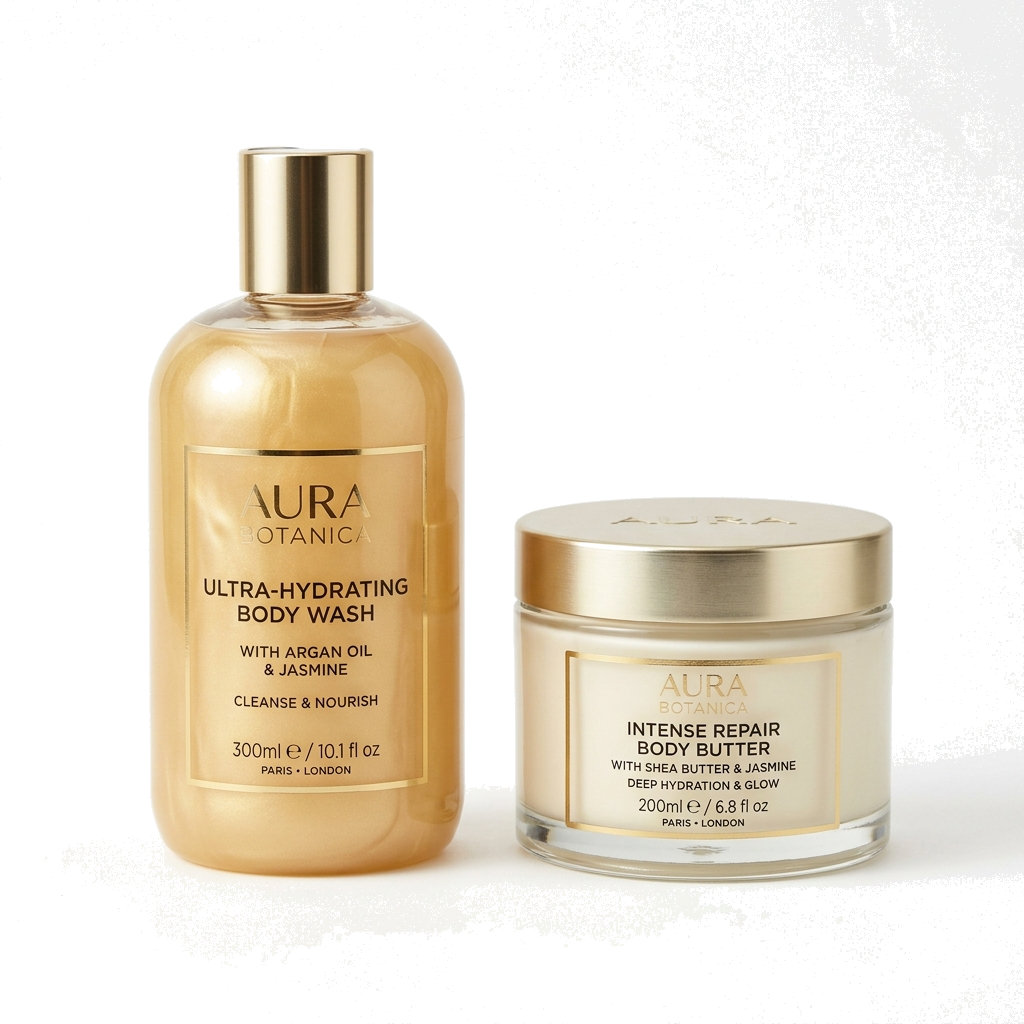
Body Acne: Why It Happens and How to Actually Treat It
SEO Title Tag (54 chars): Body Acne: Why It Happens and How to Treat It Properly
Meta Description (156 chars): Back, chest, and shoulder acne behaves differently from facial acne. Learn what type you have, why body washes rarely work, and what genuinely clears it.
Primary keyword: body acne Secondary keywords: back acne treatment, how to get rid of chest acne, fungal acne body, bacne causes, body acne vs folliculitis Entities covered: body acne, truncal acne, Cutibacterium acnes, Malassezia folliculitis, fungal acne, keratosis pilaris, folliculitis, acne mechanica, sebaceous glands, comedone, benzoyl peroxide, salicylic acid, azelaic acid, adapalene, glycolic acid, urea, ketoconazole, zinc pyrithione, occlusion, friction, post-inflammatory hyperpigmentation, hidradenitis suppurativa, isotretinoin
Body acne gets a fraction of the attention facial acne receives, despite being extremely common — and despite being, in some ways, harder to treat.
Part of the problem is that people assume it works the same way as facial acne and reach for a body wash version of whatever they use on their face. That approach rarely produces much, for reasons that become obvious once you understand what is actually different.
The other part of the problem is that a meaningful proportion of what people call body acne is not acne at all. Treating fungal folliculitis with acne products, for instance, will not work and may make it worse.
This guide covers what actually causes body breakouts, how to identify which type you have, and what genuinely clears each.
Key Takeaway
The skin on your body is thicker than on your face. You can use stronger actives like 10% benzoyl peroxide or strong salicylic acid washes, but the key is leaving them on the skin for a few minutes before rinsing.
Several differences make body acne behave unlike facial acne.
Thicker skin. The skin on your back is considerably thicker than facial skin, which means topical products penetrate less readily and often need higher concentrations.
Higher sebaceous gland density. The back, chest, and shoulders have some of the highest concentrations of sebaceous glands on the body — comparable to the face. This is why these areas break out and your forearms do not.
Larger follicles. Body follicles are larger and produce more sebum, which tends toward larger, deeper lesions.
Constant occlusion. Clothing, bags, bedding, and hair sit against the skin all day. Occlusion traps sweat and sebum against the surface.
Friction. Straps, waistbands, tight clothing, and gym equipment create mechanical irritation that facial skin does not experience.
Practical difficulty. You cannot easily see or reach your own back, which affects both assessment and treatment consistency. This sounds minor and genuinely is not.
The Four Types of Body Breakouts
Identifying which you have is the difference between treatment working and years of frustration.
1. True acne vulgaris
What it looks like: a mix of blackheads, whiteheads, papules, and sometimes deeper nodules or cysts. Lesions vary in size and stage.
Where: back, chest, shoulders, upper arms.
Key features: comedones are present alongside inflammatory lesions. Lesions come to a head. Often occurs alongside facial acne.
What treats it: benzoyl peroxide, salicylic acid, retinoids, azelaic acid.
2. Malassezia folliculitis (fungal acne)
What it looks like: small, uniform bumps of remarkably similar size, often in clusters. Frequently itchy. Does not come to a head in the usual way.
Where: chest, upper back, shoulders, sometimes forehead and hairline.
Key features: the uniformity is the giveaway. True acne produces lesions at varying stages and sizes; fungal folliculitis produces a field of nearly identical bumps. Itching is common, which is unusual for acne. Frequently worsens in heat and humidity, and after sweating.
Critical point: this is a yeast overgrowth, not bacterial acne. Standard acne treatments do not work and can make it worse, particularly oil-based products that feed the yeast. Antibiotics for acne can also worsen it by altering the balance of skin flora.
What treats it: antifungal approaches — ketoconazole, zinc pyrithione, or selenium sulfide, often as a wash left on the skin for several minutes before rinsing.
This is the most commonly misdiagnosed body breakout, and people frequently spend months treating it as acne without improvement.
3. Keratosis pilaris
What it looks like: small, rough, sometimes red bumps that feel like sandpaper. Do not become inflamed or come to a head.
Where: upper arms, thighs, sometimes buttocks and cheeks.
Key features: genetic, extremely common, and persistent rather than cyclical. Frequently worse in dry weather.
What treats it: urea, lactic acid, and consistent moisturizing. It is managed rather than cured, and aggressive scrubbing worsens the associated redness.
4. Acne mechanica
What it looks like: breakouts appearing specifically where something presses or rubs against the skin.
Where: under bra straps, backpack straps, waistbands, helmet lines, or anywhere with sustained friction and occlusion.
Key features: the distribution follows the pattern of whatever is causing pressure. This makes it recognizable once you look for it.
What treats it: reducing friction and occlusion, showering promptly after sweating, plus standard acne treatment.
How to Identify Yours
Look at uniformity. A field of nearly identical small bumps suggests fungal folliculitis. Varying sizes and stages suggest true acne.
Check for itching. Acne rarely itches. Fungal folliculitis frequently does.
Look for comedones. Blackheads and whiteheads indicate true acne. Their absence, combined with uniform bumps, points toward fungal involvement.
Note the pattern. If breakouts trace the line of a strap or waistband, that is acne mechanica.
Consider the texture. Rough, non-inflamed bumps on upper arms and thighs are almost certainly keratosis pilaris.
Consider what has already failed. If you have used benzoyl peroxide and salicylic acid consistently for three months with no improvement, fungal folliculitis becomes considerably more likely.
What to do
- Use active washes: Let salicylic or benzoyl peroxide washes sit for 2-3 minutes before rinsing.
- Shower immediately after sweating: Don't let sweat and bacteria sit on your skin.
- Wash your body LAST: After rinsing out your hair conditioner to prevent pore clogging.
What to avoid
- Using harsh physical scrubs: Loofahs can harbor bacteria and worsen inflammation.
- Wearing tight, non-breathable fabrics: Friction and trapped sweat are a recipe for breakouts.
- Treating it like facial acne: Gentle facial cleansers are often too weak for the thicker skin on your back.
Benzoyl peroxide wash
This is the most practical first-line approach for body acne specifically.
Why a wash rather than a leave-on: covering your entire back with a leave-on treatment is impractical, and the thicker skin tolerates higher concentrations well.
How to use it: apply in the shower, leave on the affected area for two to three minutes to allow contact time, then rinse thoroughly.
A practical warning: benzoyl peroxide bleaches fabric. It will permanently discolour towels, sheets, and clothing. Use white towels and old bedding, or rinse extremely thoroughly.
Salicylic acid
Available in body washes and leave-on sprays. Oil-soluble, so it works inside follicles.
Best for: congestion and comedonal body acne. As with facial cleansers, contact time matters — leave it on briefly before rinsing.
Topical retinoids
Adapalene is available over the counter in many markets and works on the body as it does on the face.
Practical challenge: applying it across a large area is expensive and difficult to reach. Body sprays and lotions exist and are worth seeking out for this reason.
Introduce gradually. Body skin is thicker but still capable of irritation.
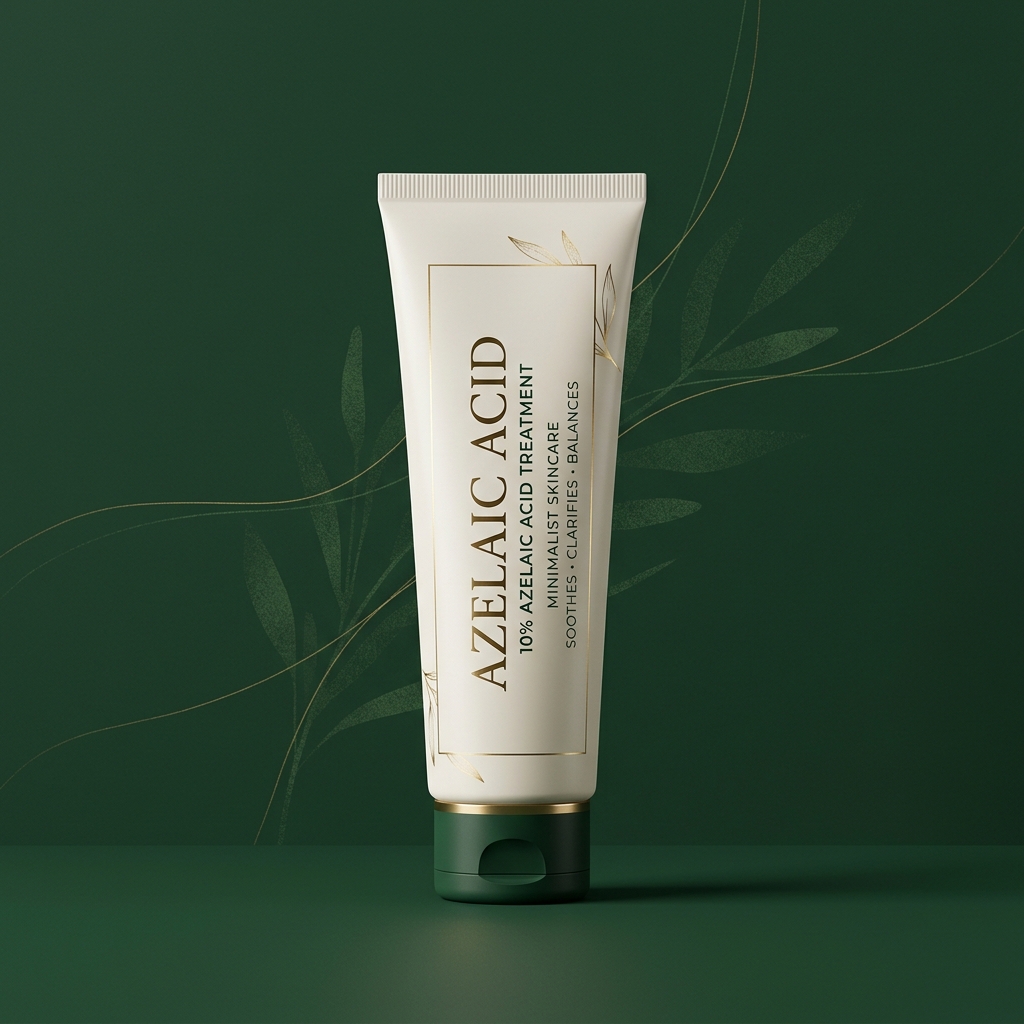
Azelaic acid
Effective for both the acne and the post-inflammatory pigmentation it leaves. Practicality over large areas is the limitation.
Glycolic acid
Body lotions containing glycolic acid help with texture and mild congestion, and are easier to apply over large areas than targeted treatments.
When to consider medical treatment
Truncal acne is frequently more severe and more scarring than facial acne, and it is undertreated because people are less likely to seek help for it.
See a dermatologist if:
- Lesions are deep, painful, or cystic
- You are seeing scarring
- Three to four months of appropriate treatment has produced little change
- It is affecting what you wear or your confidence
Oral options including antibiotics and isotretinoin are used for moderate to severe truncal acne, and isotretinoin in particular is effective for extensive body acne.
Treating Fungal Folliculitis
If the pattern fits — uniform bumps, itching, no comedones, no response to acne treatment — the approach is completely different.
Antifungal washes containing ketoconazole, zinc pyrithione, or selenium sulfide. Apply, leave on for several minutes, then rinse. Contact time is essential.
Frequency: several times weekly initially, then reduced for maintenance.
Avoid feeding the yeast. Malassezia feeds on certain lipids. Many oils, fatty acids, and esters in body products can worsen it. Simple, lightweight products are safer during treatment.
Shower promptly after sweating. Heat and humidity are significant triggers.
Change out of damp clothing quickly, particularly gym wear.
If it does not improve within four to six weeks, see a doctor. Oral antifungal treatment is available and sometimes necessary, and confirming the diagnosis matters.
Shower promptly after sweating. Sweat and sebum left against the skin under clothing is one of the more significant contributors to body breakouts.
Wash your back properly. Many people simply cannot reach it. A long-handled brush or a textured cloth solves this — the products cannot work on skin they never reach.
Rinse conditioner off your back. Hair conditioner running down your back during a shower is a genuinely common and often unrecognized cause of upper back breakouts. Rinse your hair leaning forward, or wash your body after your hair.
Wear breathable fabrics. Cotton and moisture-wicking materials over synthetics that trap heat.
Avoid sustained friction where possible. Loosen tight straps, take backpacks off during long sits, change out of restrictive gym wear promptly.
Wash bedding regularly. Particularly pillowcases and sheets, which accumulate sebum and product residue.
Do not scrub aggressively. Physical scrubbing irritates without addressing the cause, and increases post-inflammatory pigmentation.
Do not pick. Body acne scars readily, and back and chest scarring can be raised and persistent.
Apply sunscreen to affected areas when exposed. Post-inflammatory marks darken with UV exposure, and chest and shoulder marks are frequently sun-exposed.
Managing the Marks Left Behind
Post-inflammatory hyperpigmentation on the body is common and often persists longer than facial marks.
What helps:
- Sunscreen on exposed areas — the largest single factor
- Azelaic acid or niacinamide where practical
- Glycolic or lactic acid lotions for gradual improvement
- Time — body marks frequently take six months or longer
A realistic note: body marks fade more slowly than facial ones, and this is normal rather than a sign that treatment is failing.
Textural scarring is different. Raised or indented scarring, particularly on the chest and shoulders, does not fade and requires dermatological treatment. This is a strong argument for treating active body acne promptly rather than waiting.
When It Might Be Something Else
A few conditions can resemble body acne and warrant medical assessment rather than self-treatment.
Hidradenitis suppurativa produces painful, recurring nodules and abscesses, typically in the armpits, groin, under the breasts, or buttocks. It can form tunnels under the skin and lead to scarring. It is frequently mistaken for stubborn acne or boils for years before diagnosis, which delays effective treatment. If you have recurring painful lumps in these specific areas, this warrants a doctor.
Bacterial folliculitis, sometimes following hot tub use or shaving, presents as inflamed pustules around hair follicles.
Contact dermatitis from detergents, fabric softeners, or body products can produce bumps mistaken for acne. Distribution matching where clothing sits is a clue.
Heat rash appears as small bumps in areas of trapped sweat, typically after heat exposure.
If lesions are painful, recurring in the same specific spots, forming tunnels, or accompanied by fever, that is a medical situation rather than a skincare one.
A Practical Body Routine
For true body acne:
Shower: Benzoyl peroxide wash on affected areas, left for two to three minutes, then rinsed thoroughly After: Lightweight, non-comedogenic moisturizer on the rest of the body Two or three times weekly: a glycolic or salicylic acid body lotion, if tolerated Daily on exposed areas: sunscreen
For fungal folliculitis:
Shower: Antifungal wash on affected areas, left for three to five minutes, then rinsed After: Simple, lightweight moisturizer avoiding heavy oils Frequency: several times weekly initially, reducing to maintenance once clear
For keratosis pilaris:
Shower: Gentle cleanser, no scrubbing After, on damp skin: urea or lactic acid lotion daily Expect: improvement in texture within four to six weeks, ongoing management rather than cure
Location-Specific Considerations
Different body areas present different challenges, and the approach shifts accordingly.
Upper back and shoulders
The most common site, and the hardest to treat consistently because you cannot see or easily reach it.
Practical solutions: a long-handled brush for applying washes, a spray-format treatment rather than a cream, and asking someone to check periodically if you cannot see the area.
Common contributor: hair conditioner residue, particularly for people with long hair.
Chest
More visible, which means people notice it sooner but also that sun exposure and post-inflammatory pigmentation are bigger factors.
Practical considerations: sunscreen matters more here than almost anywhere else on the body. Marks on the chest darken readily and persist.
Common contributor: sweat trapped under clothing, and fragrance in body products applied to the décolletage.
Buttocks
Frequently not acne at all. Bumps here are often folliculitis rather than true acne, caused by friction, sweat, and occlusion from sitting.
What helps: breathable underwear, showering after exercise, avoiding prolonged sitting in damp clothing, and gentle chemical exfoliation.
Note: painful recurring lumps in this area, particularly if they form tunnels or recur in the same spots, warrant medical assessment rather than self-treatment.
Upper arms
Usually keratosis pilaris rather than acne. The rough, sandpaper-like texture without inflammation is the giveaway.
What helps: urea-based lotions, lactic acid, and consistent daily moisturizing. Scrubbing makes the associated redness worse.
Neck and jawline extending downward
Often connected to facial acne and frequently hormonal in origin, particularly if it follows the jawline.
Common contributors: hair products, collars, and phone contact.
Adapting for Different Situations
If you exercise frequently: shower within a reasonable time of finishing, change out of damp clothing promptly, and consider a benzoyl peroxide wash on training days specifically. Wiping down gym equipment matters less for your skin than what you do afterward.
If you wear a uniform or protective gear: friction is unavoidable, so focus on what you control — a clean base layer, prompt showering, and treating the specific pattern of affected areas.
If you live somewhere hot and humid: fungal folliculitis becomes considerably more likely, and lightweight, breathable clothing matters more.
If you have long hair: tie it up when sweating, and be deliberate about how you rinse conditioner.
If you carry a backpack daily: loosen straps where possible, and treat the corresponding pattern on your shoulders as acne mechanica.
Frequently Asked Questions
What causes body acne? The same fundamental process as facial acne — sebum, dead skin cells, and bacteria combining in blocked follicles — but amplified by occlusion from clothing, friction, sweat, and the high density of sebaceous glands on the back and chest.
Why does my back break out but not my face? The back has a high concentration of sebaceous glands, larger follicles, and constant occlusion from clothing and bedding. Some people are simply more prone to truncal acne than facial acne.
How do I know if it is fungal acne? Uniform small bumps of similar size, frequently itchy, without blackheads or whiteheads, and no improvement from standard acne treatment. Worsening in heat and after sweating is another indicator.
Does body wash for acne actually work? Benzoyl peroxide and salicylic acid washes can work if you leave them on the skin for two to three minutes before rinsing. Applying and immediately rinsing provides too little contact time to do much.
Why do I break out where my bra strap sits? That is acne mechanica — breakouts caused by friction and occlusion. Loosening straps, changing promptly after sweating, and treating the area normally all help.
Can hair conditioner cause back acne? Yes, and this is more common than people realize. Conditioner running down your back during rinsing can contribute to upper back breakouts. Rinse leaning forward or wash your body afterward.
How long does body acne take to clear? The same twelve-week minimum as facial acne, and often longer given the thicker skin and larger area involved.
Does body acne scar more than facial acne? It can. Truncal acne is frequently more severe, and chest and shoulder scarring tends to be raised and persistent. This is a reason to treat it promptly rather than waiting.
Why do the marks take so long to fade? Post-inflammatory hyperpigmentation on the body typically takes longer than on the face — six months or more is common. Sun exposure on the chest and shoulders extends this further.
Should I exfoliate my back? Chemical exfoliation with glycolic or salicylic acid, yes. Physical scrubbing, no — it irritates without addressing the cause and worsens pigmentation.
The Bottom Line
Body acne is treatable, but only once you have identified what you are actually treating.
Start by identifying the type:
- Varying sizes, comedones present → true acne. Benzoyl peroxide, salicylic acid, retinoids.
- Uniform bumps, itchy, no comedones, no response to acne treatment → fungal folliculitis. Antifungal washes.
- Rough non-inflamed bumps on arms and thighs → keratosis pilaris. Urea and lactic acid.
- Following strap or waistband lines → acne mechanica. Reduce friction, treat normally.
The habits that matter most:
- Shower promptly after sweating
- Actually reach your back with a long-handled tool
- Rinse conditioner off your back
- Leave medicated washes on for two to three minutes before rinsing
- Wear breathable fabrics and reduce friction
And the two points people most often miss: a large share of persistent “body acne” is fungal folliculitis being treated with the wrong products, and truncal acne scars more readily than facial acne — which makes seeking treatment early more important, not less.
Related reading:
- Hormonal Acne: Why It’s Different and What Actually Works
- Azelaic Acid: The Underrated Multi-Tasker Most Routines Are Missing
- How to Fix Textured Skin Without Harsh Exfoliants
- Purging vs. Breaking Out: How to Tell the Difference
- Does Double Cleansing Actually Matter for Oily Skin?
This article is for informational purposes only and does not constitute medical advice. If you have painful, recurring nodules — particularly in the armpits, groin, or under the breasts — or lesions accompanied by fever, consult a doctor promptly. For persistent or scarring body acne, consult a board-certified dermatologist.\n\n
Was this article helpful?

Anam Ahsan
Founder & Editor-in-ChiefI started Glam Rock Web because I was tired of beauty content that read like advertising. Everything published here is researched, tested where possible, and written to be useful — not to sell you something.


Comments (24)
Hannah W.
2 days agoThis guide saved me so much money — went with the budget pick and honestly can't tell the difference from serums twice the price!
Anam Ahsan Author
1 day agoSo glad it worked out for you, Hannah! That's exactly the kind of result we hoped readers would see.